Advanced Trading Operations

How Markets Actually Work

Demystifying the operational nature of markets through order flow, liquidity engineering, and institutional imbalance.

Forget retail patterns. Learn the algorithmic infrastructure that drives price action. We break down the mechanics of market structure, fair value gaps, and liquidity sweeps so you can read the tape like an institution.

Market Model Framework
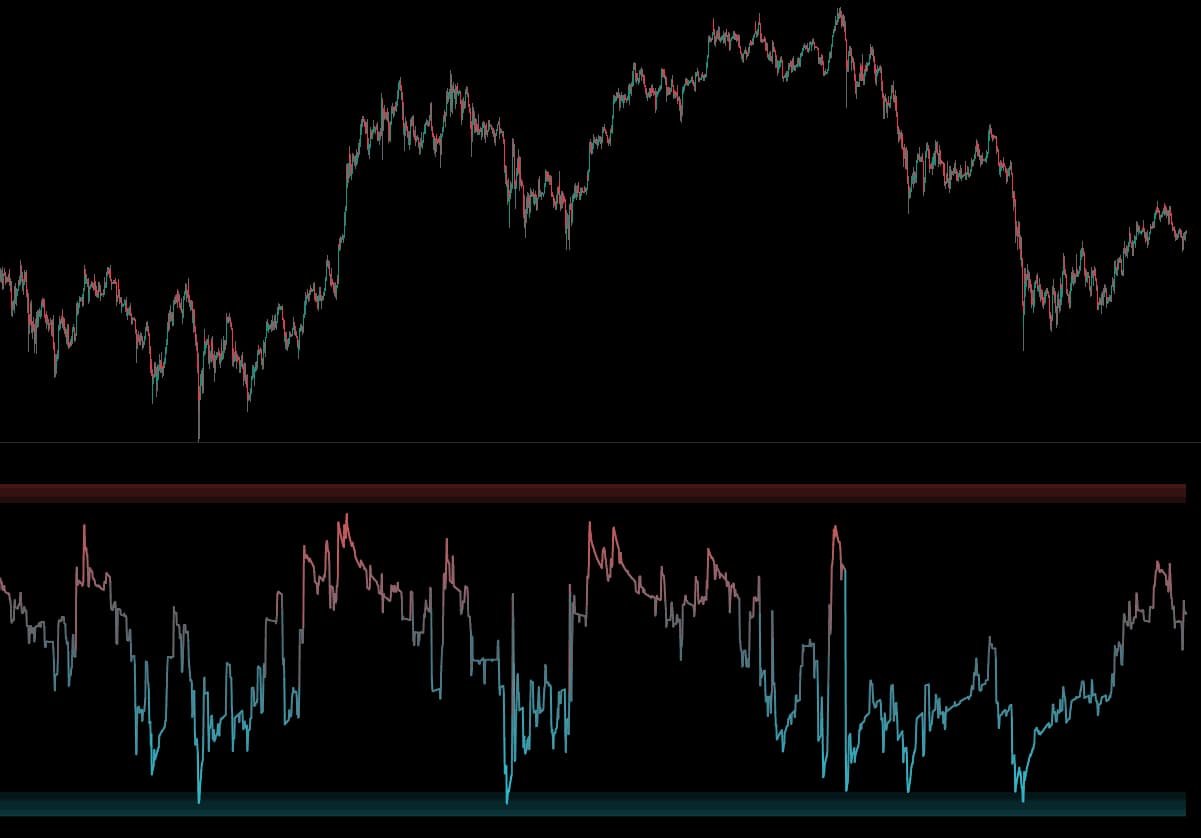
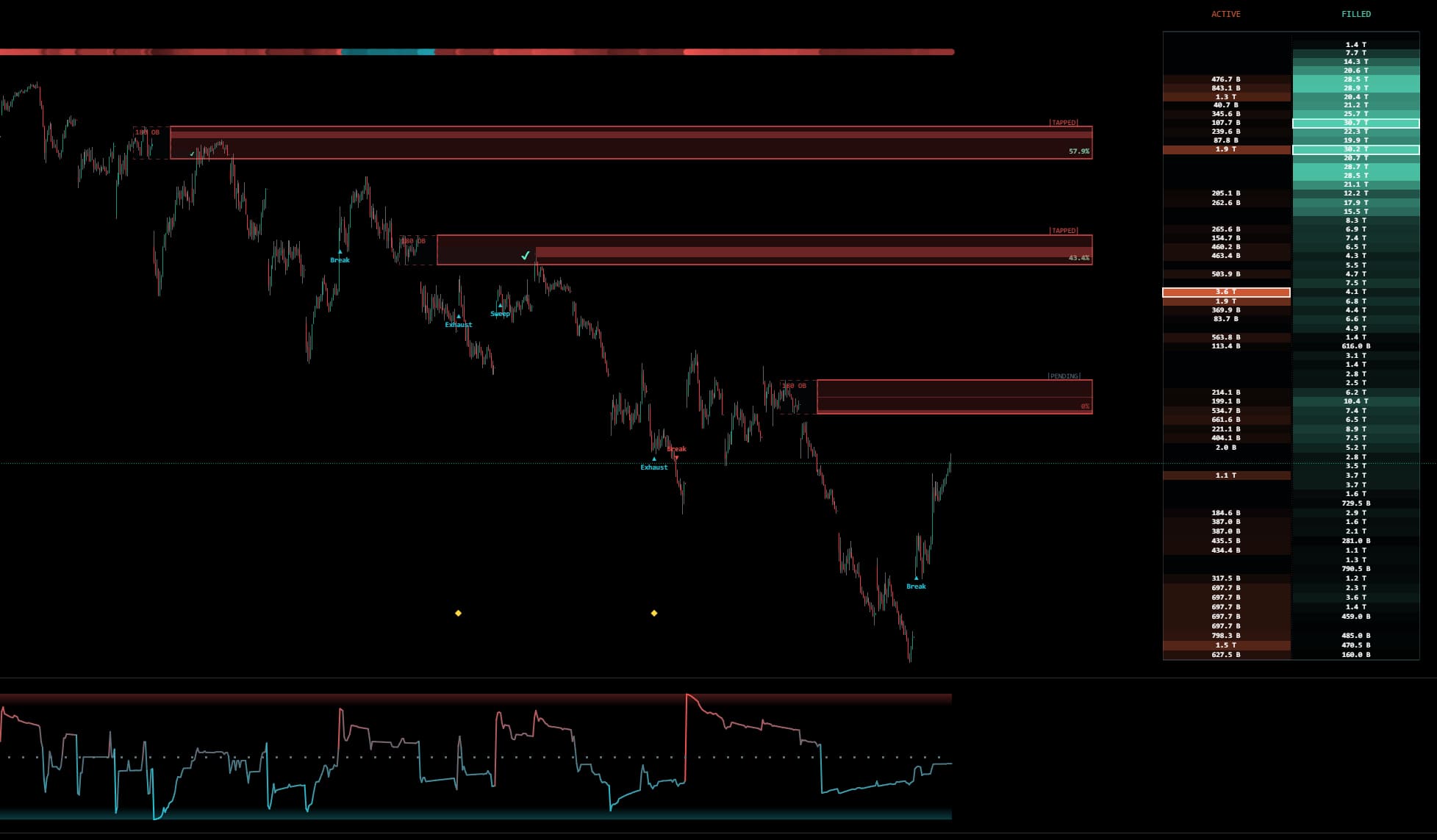
Institutional Imbalance Framework chart showing structure, pressure, and liquidity context
Structure
Pressure
Liquidity
ALGORITHMIC MARKET FOUNDATIONS

The Foundations of Market Mechanics

To understand how markets work, you must look beyond surface-level retail indicators. Learn the true, structural, and algorithmic forces of institutional order flow and liquidity engineering.

SYS_MODEL // STRUCTURE

Market Structure

Market structure is the absolute roadmap of price action, mapped via sequential swing highs and swing lows. Detecting exactly where structure shifts (a Change of Character, or CHoCH) allows you to anticipate structural trend reversals before retail patterns even register.

LIVE MAPPER HUD
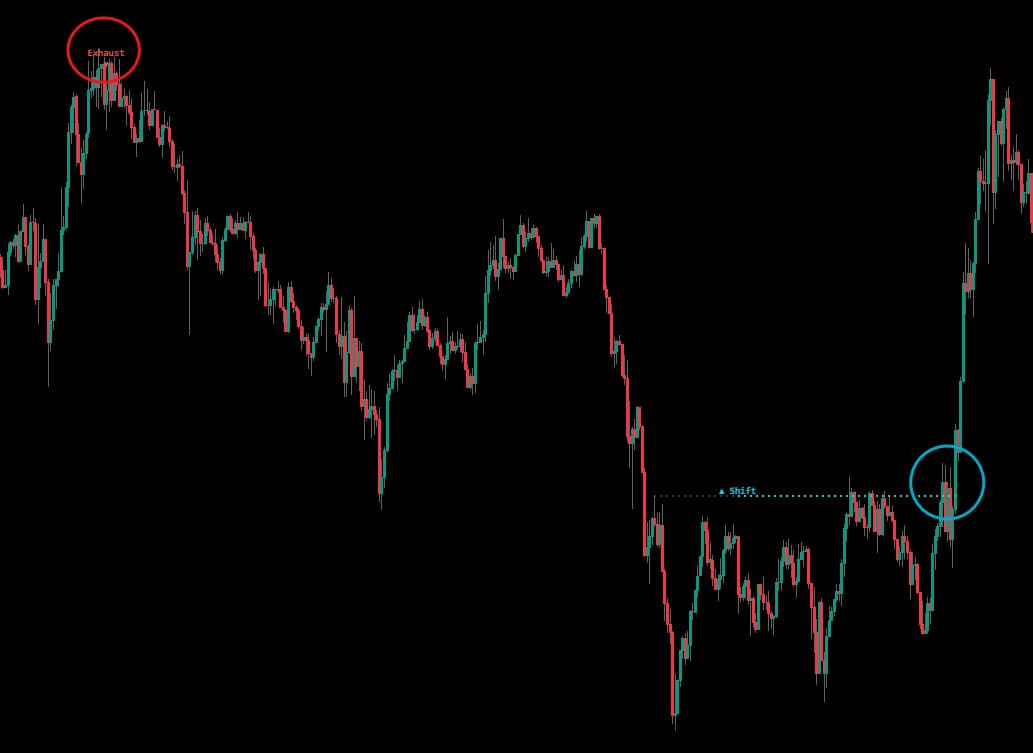
SHIFT LEVEL ($64,210)BOSCHoCHTEST
SYS_MODEL // INEFFICIENCY

Fair Value Gaps (FVG)

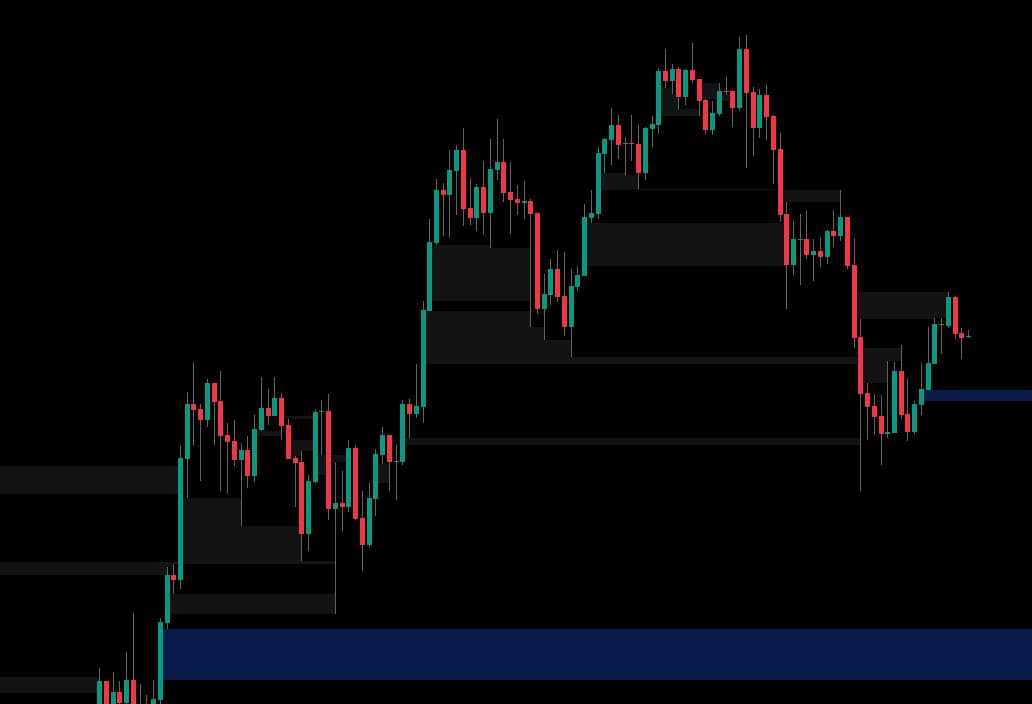
A Fair Value Gap represents aggressive structural displacement that creates a distinct imbalance in the order book. By tracking the three-candle sequence where price moves too quickly, we target areas the market is structurally incentivized to rebalance.

CANDLE SEQUENCE HUD
FVG IMBALANCE ZONEC1C1 HIGHC2 (EXPANSION)C3C3 LOW
SYS_MODEL // LIQUIDITY

Liquidity Engineering

Liquidity is the absolute engine of volatility. Smart money cannot build massive positions without counterparty volume. By hunting pools of rest wicks (retail stops), we find where institutional liquidity sweeps fill orders before turning.

SWEEP ENGINE HUD
RETAIL SUPPORT FLOORRETAIL STOPS (LIQUIDITY POOL)SWEEP LEVELIMBALANCE EXPLOSION

OPERATIONAL PROTOCOLS

Systemic Axioms of Algorithmic Execution

01

Location Before Signal

A fair value gap, order block, sweep, or pressure reading has different value depending on where it appears in the structure.

02

Reaction Before Conclusion

A sweep, tap, or displacement move is only the event. Reclaim, acceptance, mitigation, or failure decides the useful read.

03

State Before Clutter

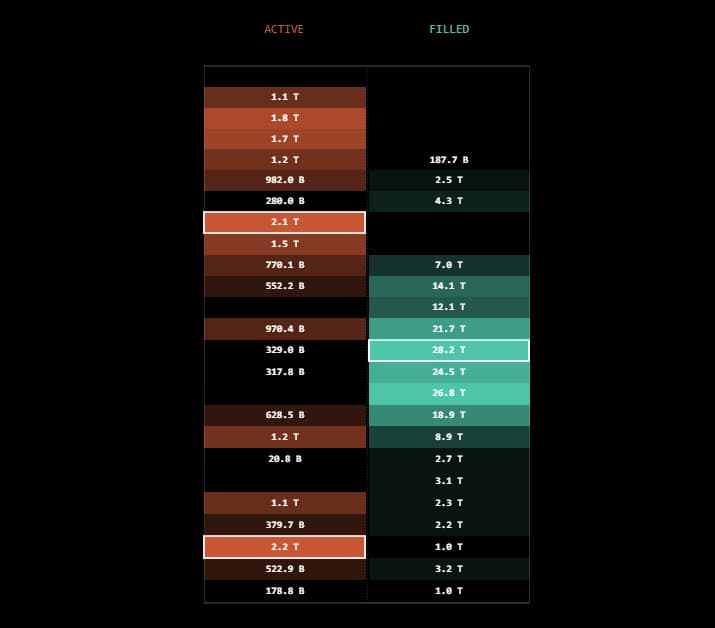
The goal is not more chart objects. The goal is knowing which levels remain active, which are filled, and which should lose priority.

RECOMMENDED OPERATIONAL PIPELINE

Follow the Market from Map to Invalidation.

Order flow is chronological. If you isolate any single signal without its preceding structure, you trade noise. Our recommended path walks you sequentially through market mechanics—ensuring every entry is backed by structure.

Step 1-2: Map structure and check pressure
Step 3-4: Hunt inefficiency and identify zone origin
Step 5: Sweep active stop pools for entries
Phase 01

Start With The Map

Before pressure, gaps, or zones matter, the trader needs a structure map. This is the lowest-noise starting point for the learning path.

EST. STUDY: 15 MINSLIVE
From Education to Implementation

Stop Drawing, Start Executing.

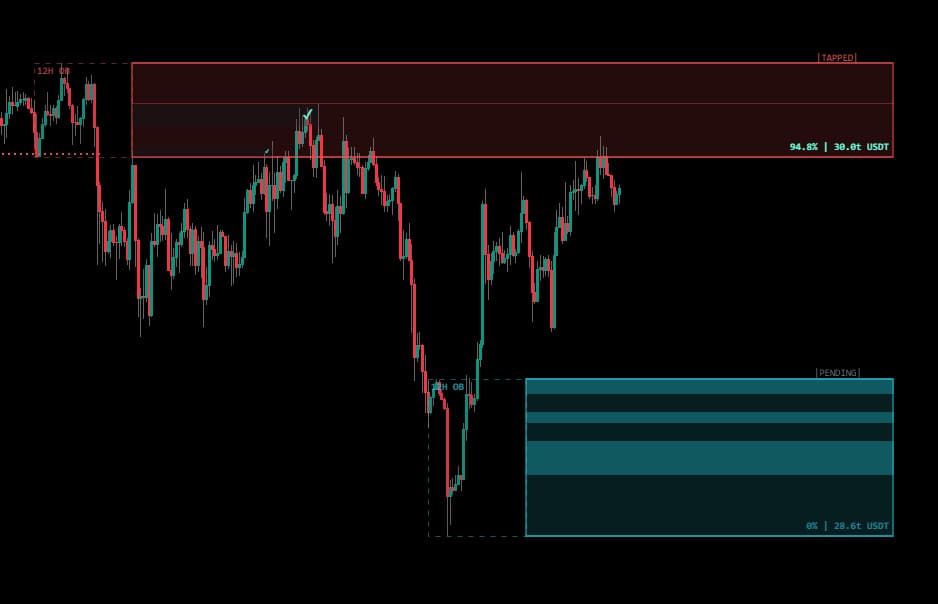
You know the concepts. Now automate the execution. The Institutional Imbalance Framework implements these exact models directly into your TradingView charts with real-time liquidity detection and order block state tracking.

  • Works on TradingView
  • Real-time Order Blocks
  • Liquidity Sweeps