Guides
Trading Guides: Order Flow, Liquidity and Market Structure
Free guides to reading a TradingView chart the way price actually moves: through structure, pressure, inefficiency and resting liquidity. Each guide explains the idea in plain terms, shows how to mark it by hand, and says where it fails.
New to these ideas? Start with market structure. The other guides build on it.
All guides
In reading order, from the structure map to automation.
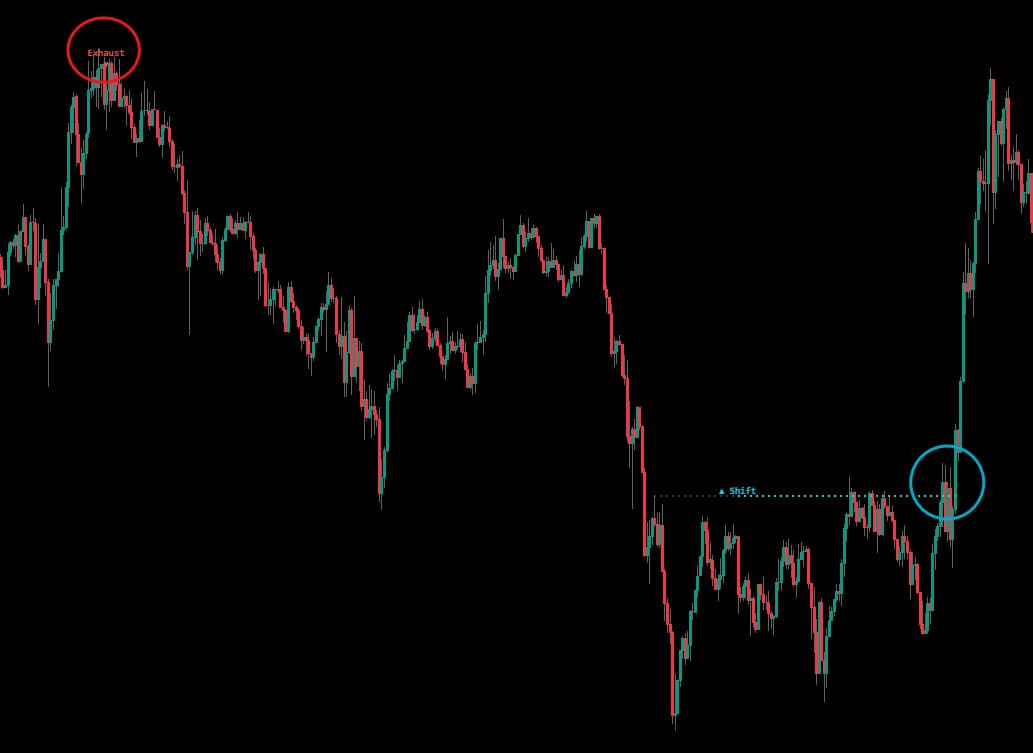
Market structure
How to Identify a Market Structure Shift
Find the protected level, wait for a close with displacement, and confirm the shift on the retest.
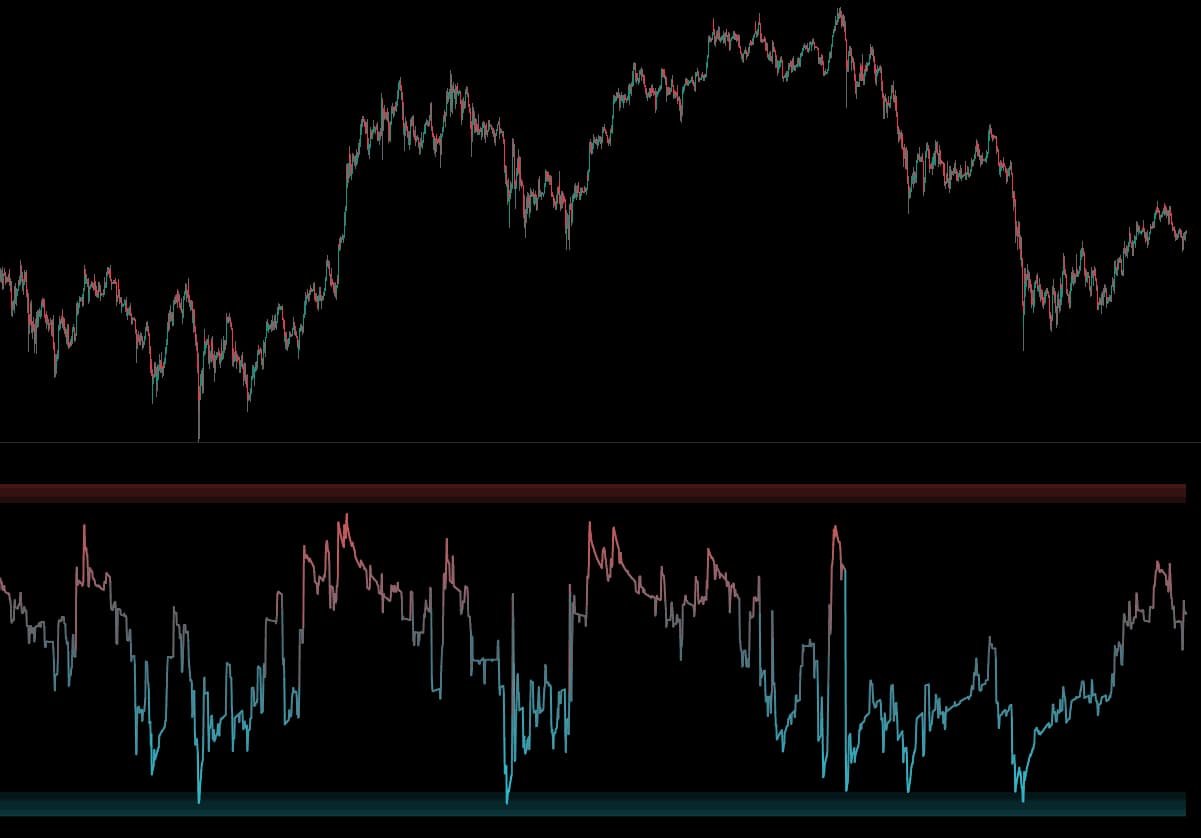
Order flow
Order Flow Analysis on TradingView
Read displacement, absorption and acceptance at a level, and know what a TradingView chart can and cannot show.
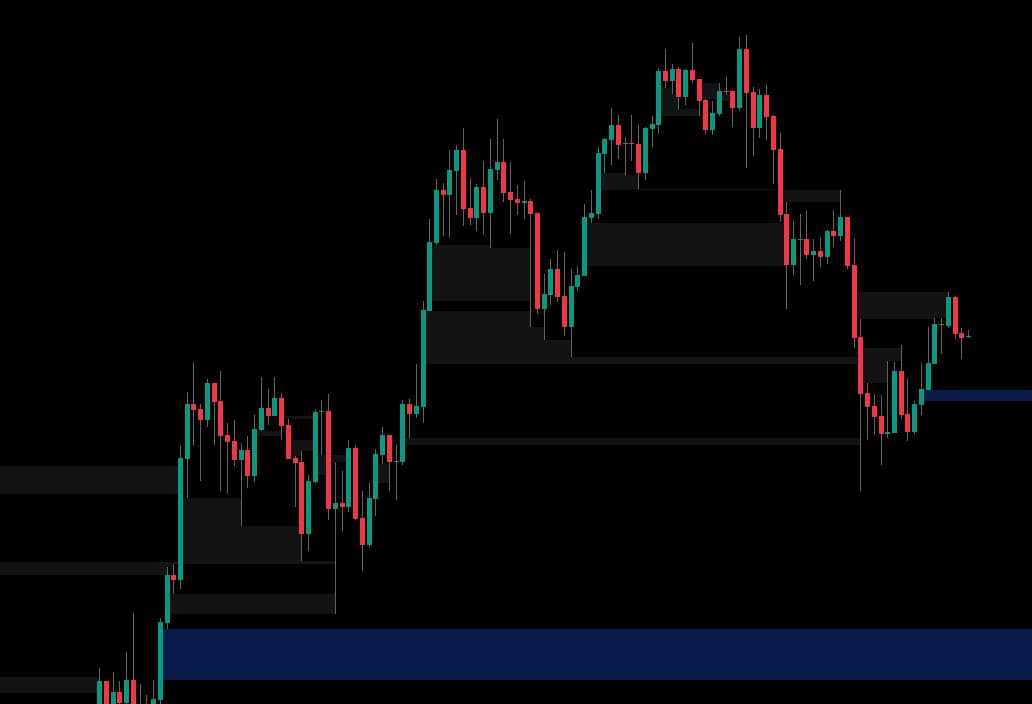
Fair value gaps
Fair Value Gap Indicator for TradingView
Find gaps with the three-candle rule, read the 50% midpoint, and add an FVG indicator on TradingView.
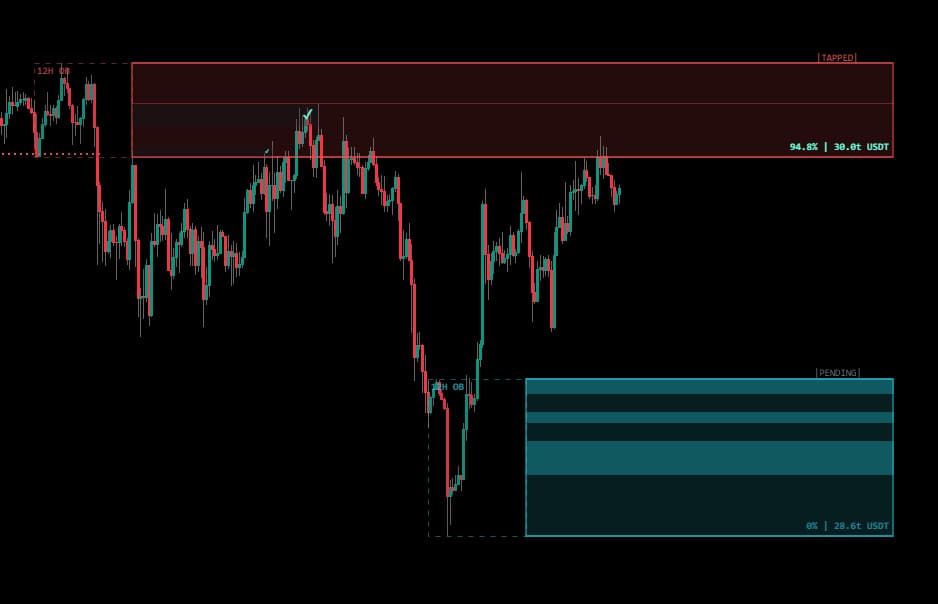
Order blocks
Order Block Indicator for TradingView
Treat a block as a changing state: origin, mitigation, sweep and reclaim, or failure.
Liquidity
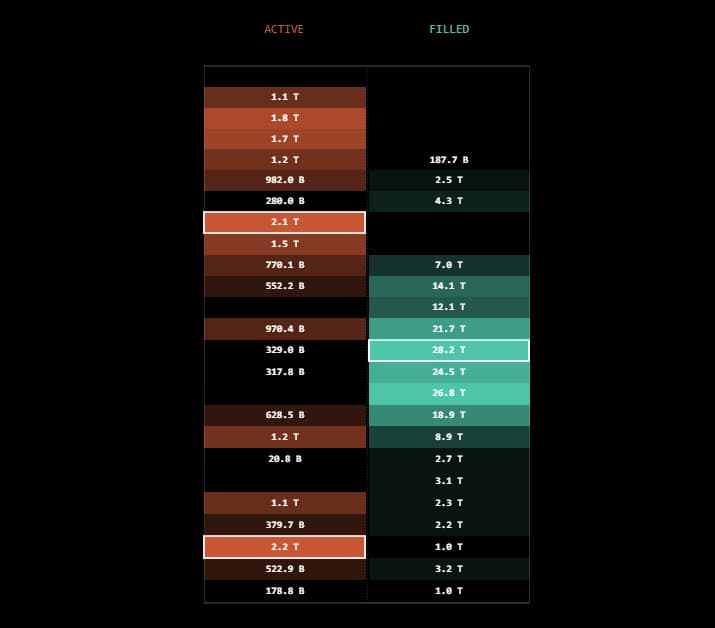
What Is Liquidity Engineering?
Where stop orders cluster, how price sweeps them, and what happens after the sweep.
Alerts and automation
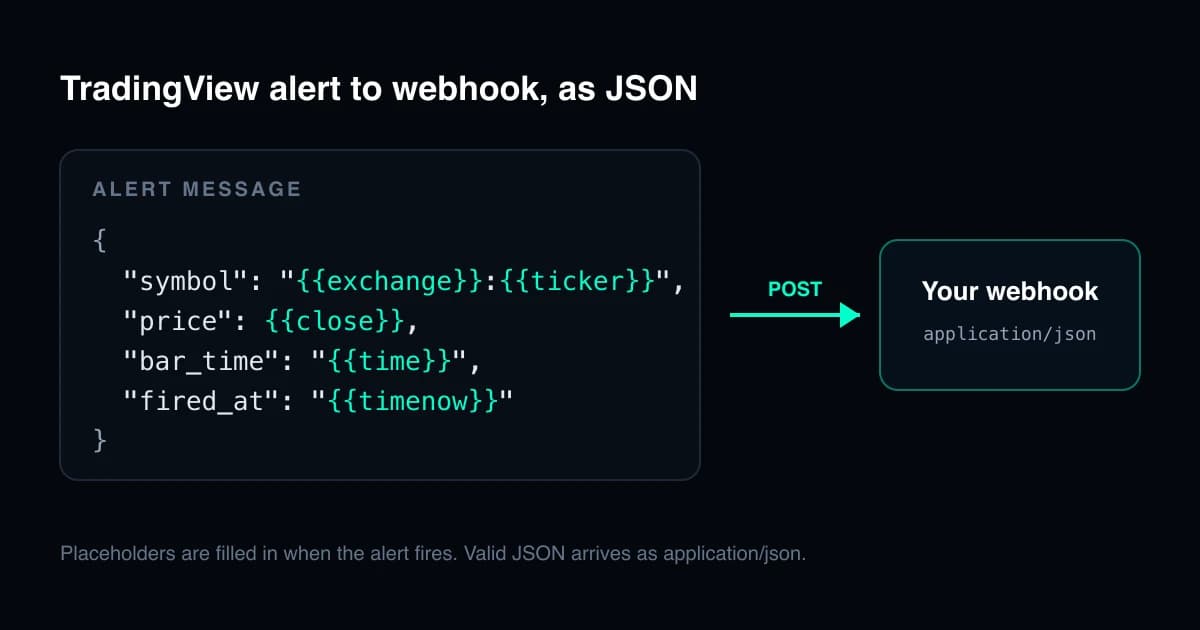
TradingView Webhook JSON
The payload format, every placeholder, strategy fields, alert() messages in Pine, and a receiver that answers within three seconds.
Three rules that run through every guide
Location before signal
A fair value gap, order block, sweep or pressure reading means something different depending on where it sits in the structure.
Reaction before conclusion
A sweep, tap or displacement is only the event. What price does next, reclaim, acceptance, mitigation or failure, decides the read.
State before clutter
More boxes on the chart do not help. Knowing which levels are still active, which are filled and which have failed does.
See these ideas tracked on a live chart
The Institutional Imbalance Framework marks structure, fair value gaps, order blocks and liquidity on TradingView and keeps track of which ones are still active.
See the Institutional Imbalance Framework